
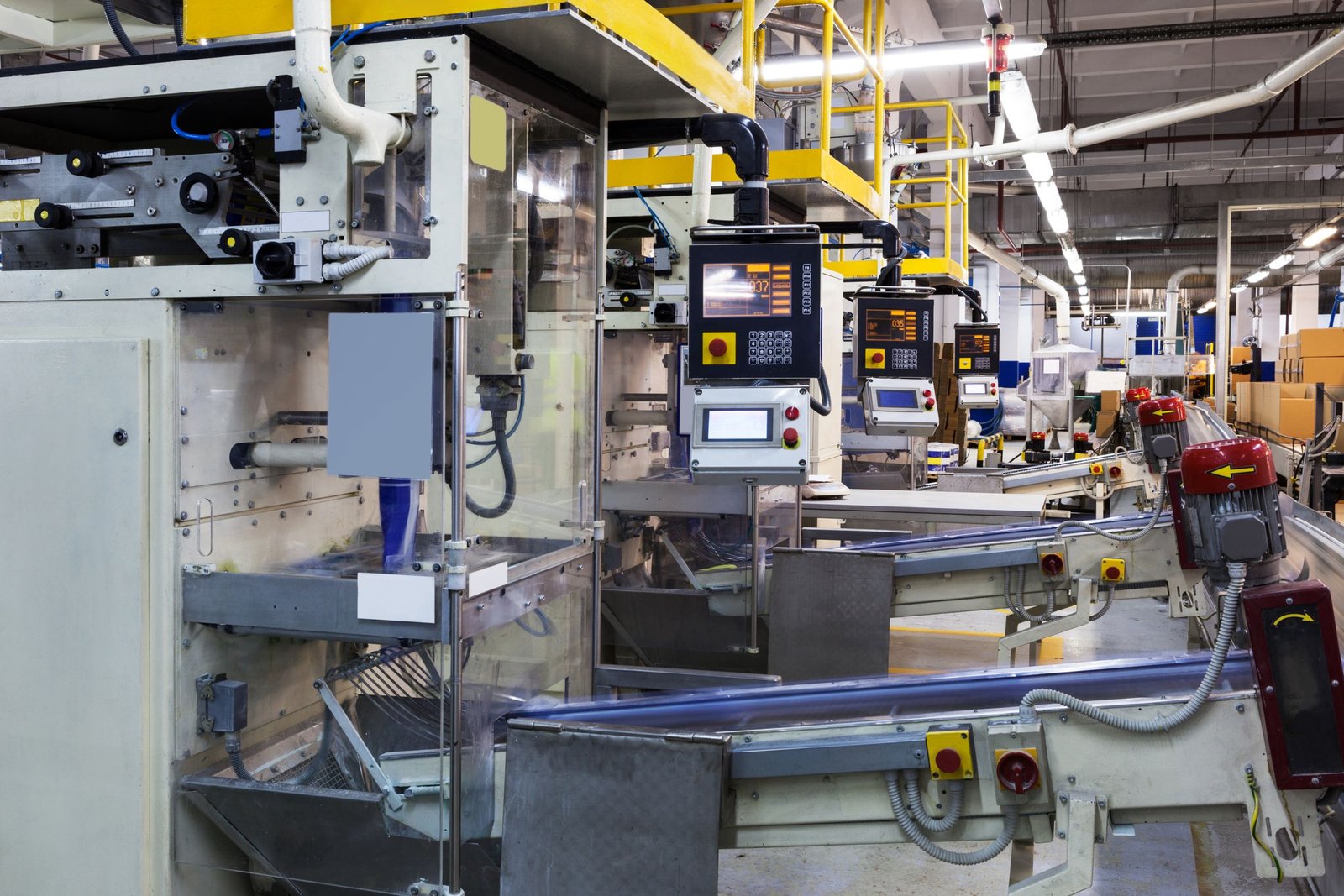
Industry in northern New Mexico is small in scale and closely watched, and that shapes how a plant gets built. A manufacturer here is more likely to need 20,000 square feet of clean, well-served space than 200,000 square feet of high-bay, and the neighbors and the reviewers will notice noise, trucks and glare. We build for owners who want to keep a low profile and still run an efficient floor.
Los Alamos National Laboratory reports a workforce of about 14,150 and almost 900 individual facilities on almost 40 square miles of property, and an operation of that scale draws on machine shops, fabricators, instrument makers and technical service firms. Suppliers of that kind, in Santa Fe, Espanola and nearby towns, need space that is quiet, secure, reliable in power and suitable for precision work.
We design and build those spaces with our owners: light manufacturing buildings, machining and assembly shops, laboratory fit-outs, and related warehouse and office space. Safety, permitting and neighborly behavior are as important as the floor slab.
Where Manufacturing Lives in This Market
The Santa Fe Regional Airport covers 2,128 acres and hosts two fixed base operators and a New Mexico Army National Guard aviation support facility. An April 2025 city memo proposed leasing 1.57 acres of undeveloped airport land for an aircraft storage hangar under a 40-year initial term. Land near the airport is therefore leased, planned by the city, and well suited to aviation-related and light industrial users. Our page on the Santa Fe airport business park area reviews what a builder should expect there.
On the west side of the city, the Agua Fria and Siler Road corridor mixes small commercial and light industrial buildings with a village that the county designated a Traditional Historic Community in 1995. A shop building there must be a considerate neighbor, with attention to screening, lighting and truck movements. We read the Agua Fria and Siler corridor as a place where careful, modest industrial buildings do best.
Slabs, Shells and Fit-Out
Manufacturing floors depend on the slab. We schedule and inspect concrete flatwork and slab placement with attention to flatness, joints, sub-base and curing, which in this high, dry climate calls for careful protection against rapid moisture loss. Precision work, such as machining and inspection, may need a vibration-aware design and a very stable floor, and we discuss these requirements with equipment suppliers early.
Shells are commonly pre-engineered metal or masonry, and we choose the system with the owner's use in mind. For a small plant, a well insulated building with a clean interior and good daylight often outperforms a taller structure that is expensive to heat. Our manufacturing facility construction and flex and light industrial construction scopes cover these shells and their production fit-outs.
Safe Construction and Safe Operation
Industrial owners expect a safe site. We provide a site-specific safety plan, daily briefings, trained supervisors and controlled access. If the owner operates an adjacent plant or laboratory, we adopt their entry rules and keep our work apart from their processes. Hot work, lifting and excavation are permitted and supervised.
The building itself must also support safe operation. Fire protection, ventilation, spill containment, electrical capacity and egress are designed with the owner's process in mind. For suppliers to Los Alamos, security and handling requirements may add layers, and we build in the physical features needed, such as controlled entries, secured storage and clear receiving areas, without discussing any customer's programs.
Permits, Power and Plans
The City of Santa Fe lists the 2021 New Mexico Commercial Building Code and the 2021 International Fire Code with city amendments among its adopted codes, and the state adopted the 2020 National Electrical Code effective March 28, 2023. For an industrial building, the electrical service is often the long pole: transformer lead times, utility coordination and switchgear all take time. We ask the utility early and design for expansion.
Zoning and environmental permits are equally important. A use that is routine in one district may be restricted in another, and discharge, air and stormwater permits depend on what the plant does. We work with owners and engineers to identify these requirements during planning. Related uses, such as parts distribution, may be best handled alongside logistics and distribution planning, and government customers often shape our public sector conversations.
Reach Across Northern New Mexico
We work in Santa Fe and travel to Espanola, Pojoaque and beyond. The Pueblo of Pojoaque is described as a major regional employer, and a Tesla service center of 7,000 square feet opened in 2021 on Nambe Pueblo land, illustrating that small-scale industrial and service buildings are being added throughout the region. In Questa, about 150 people still work on reclamation and remediation at the former Chevron molybdenum mine site, a reminder that industrial work here often means cleanup as well as construction.
For owners considering multiple sites, we coordinate logistics and keep procedures consistent. The manufacturing plant and flex and light industrial pages describe building options in more detail.
A Quiet Plant, Built Carefully
Tell us what you make, how much power and floor you need, and where you hope to build. We will outline the likely review path and give you a first budget that you can test.
Questions Owners Ask
Can a small manufacturer build in Santa Fe without a long review?
It depends on the site. Inside historic districts, review is part of any exterior change. Outside, zoning and ordinary permitting apply. Light industrial sites near the airport or along the Siler corridor tend to move through standard city or county review, but screening, lighting and traffic questions are common. We ask city or county staff about the process before design starts.
How do you build a slab that holds up to precision equipment?
We start with the equipment loads, the tolerances required and the soils. Then we design the sub-base, reinforcing and joint layout, and place the concrete with careful finishing and curing. High, dry conditions can dry a slab surface too quickly, so we protect it. Flatness is measured and recorded, and we coordinate machine pads and embedded items before the pour.
How long does electrical service take for a new plant?
Utility timing varies, and transformers and switchgear often have long lead times. We contact the serving utility during planning, confirm the required capacity and order equipment as soon as the design allows. If expansion is likely, we size conduits and pads for the future so that growth does not require tearing up the floor.
Do you build laboratory or clean spaces for manufacturers?
Yes. These spaces require controlled air, finishes that can be cleaned and often special electrical, gas and exhaust systems. We coordinate closely with the owner’s engineers and with testing and balancing agents so the space meets its criteria before the first production run.