Demolition and Selective Removal in Santa Fe Region Projects
When the Santa Fe Opera tore down its 1968 auditorium in August 1997, the Crosby Theatre that replaced it opened in early July 1998, ten months of construction later. The timeline is a good reminder that demolition is rarely an end in itself. It is the first act of the next building, and the way it is done decides what the next crew inherits: a clean, stable site or a field of surprises.
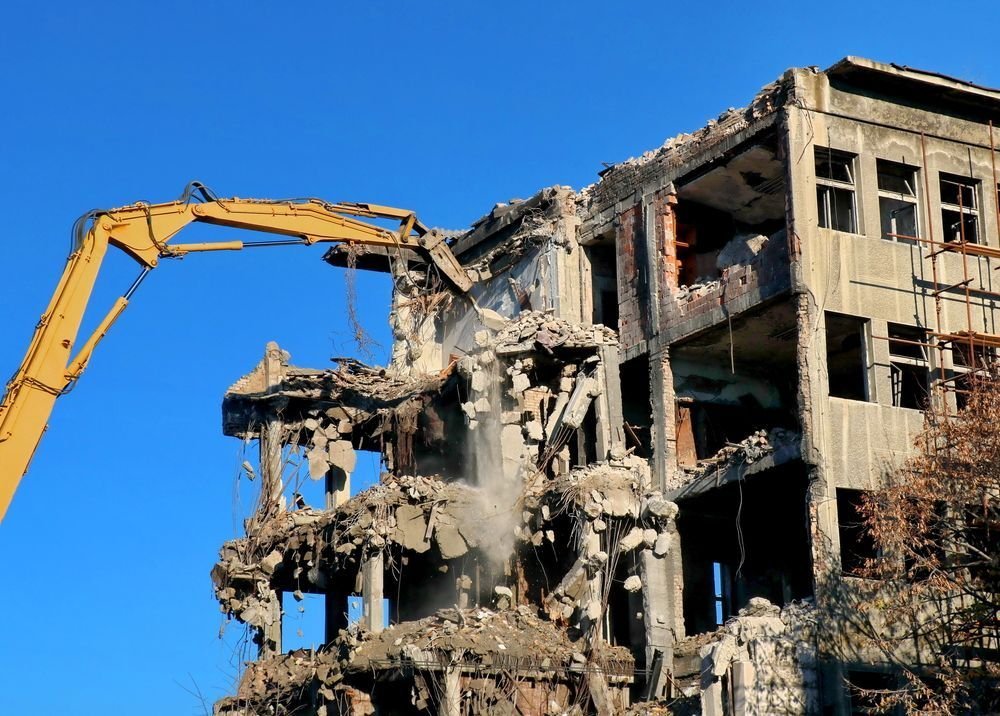
We demolish buildings and building portions, remove slabs, foundations and paving, and clear sites for new construction. We also perform selective demolition inside existing buildings, where a wall must come out without disturbing the room beside it. In either case, we begin with questions about utilities, hazardous materials, neighbors, historic features and the destination of what we remove.
It is work that rewards patience. The most dramatic part, the fall of a wall, is also the shortest and least informative. The planning before it is what matters.
Hazards first, then structure
Before any cutting begins, we confirm that gas, electric, water, sewer and communications are disconnected and capped at the right place. A survey for asbestos, lead and other regulated materials is reviewed, and abatement is completed by qualified contractors under applicable rules. The state capitol's 1992 renovation included asbestos abatement alongside mechanical, electrical and accessibility improvements, which illustrates how often these tasks accompany older public buildings.
Structural stability is the next concern. We study how the building is framed, identify what supports what, and sequence the removal so that no portion becomes unstable. Dust control with water, barriers and enclosures protects neighbors and workers, and fall protection, shoring and exclusion zones are set up before the work begins. Government and municipal buildings often sit beside active public spaces, and the safety plan accounts.
Whole buildings, parts of buildings and what lies below
Full demolition covers structures, foundations, slabs, footings, paving and underground tanks or utilities. Partial and selective demolition covers openings cut into walls and floors, removal of finishes, mechanical and electrical stripping and the careful dismantling of items to be saved. Site clearing includes trees, fences, retaining walls and debris.
Below grade, the work becomes a form of investigation. Old foundations, buried tanks, abandoned utilities and fill of unknown quality appear where drawings promised none. Before we hand a site to the next trade, we coordinate with the crews handling mass grading and make sure the cavities we leave are backfilled and compacted as the engineer requires.
Licensing, permits and historic constraints
Demolition is regulated work. New Mexico's GB-98 General Building classification covers erecting, altering, repairing or demolishing residential and commercial buildings and certain structures, and requires four years of foreman level experience, at least two of them commercial. We treat that classification as a sign that demolition belongs in qualified hands, and we assign it accordingly.
Demolition permits, utility disconnect letters and notifications are prepared before work starts. In historic districts, a proposed demolition may need review, and the Plaza itself, a 2-acre National Historic Landmark next to a palace built between 1610 and 1612, suggests how careful the city is about what stands. Our permitting and entitlements experience helps owners ask the right questions before they call for a wrecking crew.
Selective, deconstructed and salvaged where it makes sense
Not everything goes to the landfill. We separate metals, clean concrete and masonry, and wood for recycling, and we salvage items that have value, such as old timbers, doors, fixtures and adobe bricks, when owners want them. Concrete crushed on site can sometimes be reused as fill or base, reducing hauling and disposal.
In older buildings, deconstruction by hand is sometimes the better choice, because machines can damage the elements that the owner wants to keep. We plan each case: which parts to save, which to remove, what tools to use. This is the same care we apply to renovation and adaptive reuse, where demolition is part of a larger story.
Sequencing for the next trade
The best demolition schedule is one that leaves the site ready on the day the next crew arrives. We coordinate with the owner and the design team so that utilities, permits and abatement are complete, and so that the removal sequence fits the structure and the available haul routes. Weather matters: dust, mud and frozen ground each have their own effects on a demolition site.
If the project involves archaeological concerns, we pause and consult before disturbing deeper soil. The earliest conversations often involve a commercial real estate developer or an owner asking how soon a site can be cleared, and our honest answer includes a step for questions the ground might raise.
Neighbors, history and what the ground may hold
Demolition affects people who never signed the contract. Neighbors hear the noise, breathe the dust and feel the vibration, so we meet them before work starts, share a schedule and give a telephone number that is answered. Near the Santa Fe Opera area and other places where events and audiences gather, hours and haul routes are set with the surrounding uses in mind.
Underground, the region carries a long record of use. Old foundations, buried utilities and, in some places, archaeological material may lie beneath a site that looks empty. When demolition leads into new construction, we coordinate removal with the utility work described in site development and utilities so that trenches, tie-ins and cleared ground are handled in one organized sequence, and we agree in advance on what happens if a surprise is found.
Walk the structure with us
Show us the building, the surveys and the plans for what comes next, and we will describe a demolition approach. We would rather answer questions at the beginning than discover them in the middle.
Questions Owners Ask
How long does demolition take?
A small building can come down in days once utilities are disconnected and hazards are removed. Larger buildings, or those needing abatement, can take weeks or months. Permits and surveys often take as long as the demolition itself. We provide a schedule after reviewing the building.
Do I need an asbestos survey before demolition?
Generally yes, for buildings of an age or type that could contain regulated materials. The survey identifies what must be removed and by whom. Skipping it risks work stoppage, fines and exposure to workers and neighbors.
Can demolition be done next to occupied buildings?
Yes, with controls. We use selective methods, dust suppression, vibration monitoring when appropriate, barriers and limited hours. The more fragile the neighbor, the slower the method.
What happens to the debris?
Materials are sorted. Metals and clean concrete are recycled where possible, salvageable items are set aside, and the remainder is hauled to approved disposal facilities. We keep records of quantities and destinations.
What if we find something unexpected below grade?
We stop work in the affected area, notify the owner and engineer, and assess the finding. Tanks, contamination or archaeological material each have their own procedures, and we follow them rather than improvise.