
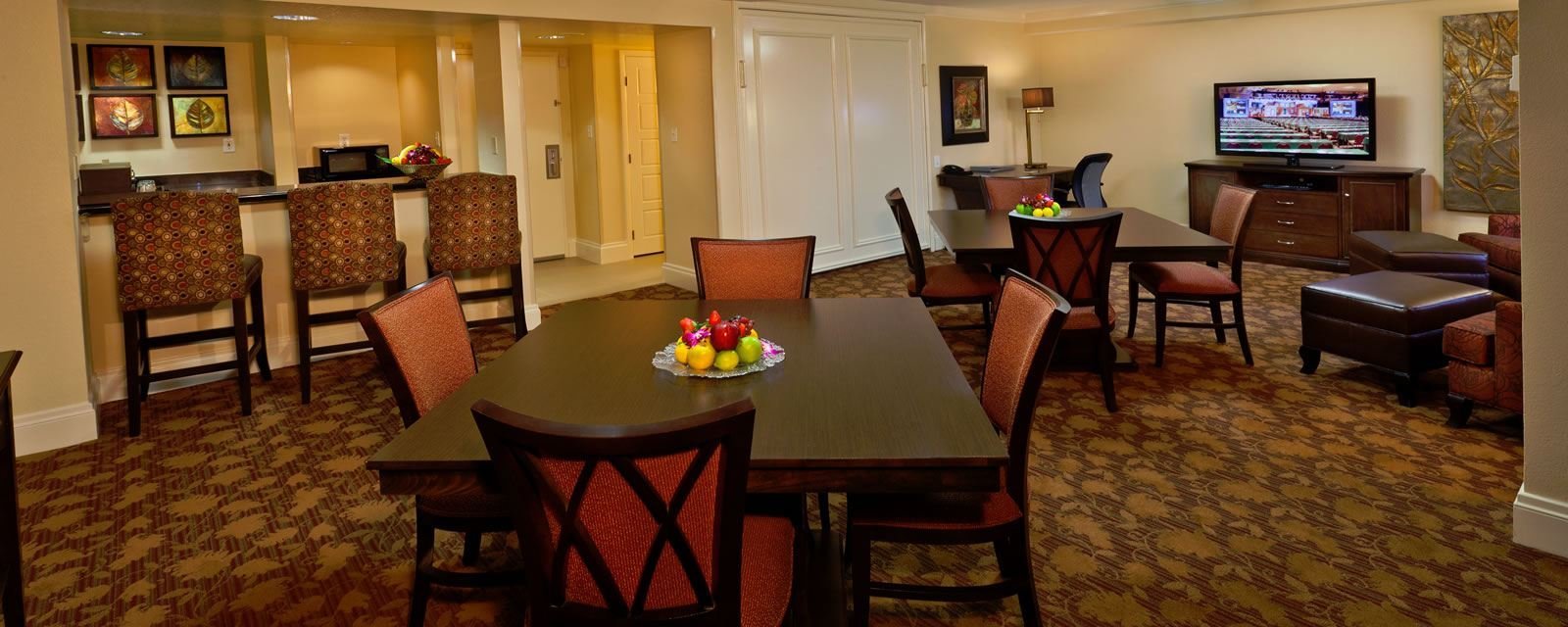
Hotel and Hospitality Construction in Santa Fe and Northern New Mexico
Leisure and hospitality employ about 10,900 people in Santa Fe, and each of them works in a building that had to pass a review before its first guest arrived. Hotels, inns and resorts here are not built like their cousins along an interstate. The historic districts require new and rebuilt buildings to show a Spanish Territorial or Pueblo style, rooms often open onto courtyards rather than corridors, and guests expect thick walls, wood beams, tile and the quiet that comes with them. We build lodging that meets those expectations and the practical ones too: sound control between rooms, reliable hot water, safe egress and a kitchen that serves the dining room on opening night.
A hotel is also a business that earns by the night, which makes the calendar unusually important. A delay of a month in construction is a month of rooms not sold, and an owner who is paying interest on a loan feels it. We approach every hospitality project as a combined problem of design review, building cost and opening date, and we show the owner how a decision on one of them affects the others.
Courtyards, thick walls and the sequence that makes them
The signature of a northern New Mexico hotel is the way the building meets the ground. Walls are thick, stuccoed and softly rounded at the corners. Windows sit deep in their openings, and roofs are flat behind parapets, with beams (vigas) extending through walls where the design calls for them. These features are not decoration only. They control heat, hold sound and make a building feel settled. We build full-size mock-ups of typical wall sections and window openings so owners and reviewers can approve them before hundreds of rooms repeat them.
Courtyards drive the layout. They bring light and air into the center of the building, but they also collect water, snow and noise, and each of those needs a plan. We coordinate drainage, heat tracing, planting beds and lighting with the landscape architect, and we keep the courtyard's finish work late in the schedule so it is not damaged by construction traffic.
Lodging from the Plaza to the pueblo resorts
The Santa Fe Plaza, a two-acre National Historic Landmark designated in 1960, sits at the heart of a historic district of about 1,113 acres, and lodging near it is shaped by that setting. Further out, a Residence Inn was announced in 2022 on the grounds of the mall on Cerrillos Road, which shows interest in limited service lodging beyond the old core. North of the city, the Pueblo of Pojoaque operates the Buffalo Thunder Resort, which opened in 2008 with a 2004 estimated project cost of $250 million.
Outside the capital, small inns and spa properties draw on local character. Ojo Caliente Hot Springs, long called one of the oldest health resorts in North America, preserves its buildings and a 1924 Round Barn on the National Register of Historic Places, a reminder that hospitality in the region often means renovating something old. Ojo Caliente, Pojoaque and the Plaza historic district each present a different set of approvals and expectations.
Review boards, fire code and the licensing calendar
Hotels in the city follow the 2021 New Mexico Commercial Building Code and the 2021 International Fire Code with City of Santa Fe amendments, and they require sprinklers, alarm systems and egress that match the number of guests. Inside a historic district, the Historic Districts Review Board may grant project-specific exceptions to height, design standards and signage under the city's ordinance, and a rooftop sign or a taller tower will need that review before it can be permitted.
The state's 2021 Commercial Energy Conservation Code governs envelope and mechanical efficiency, and a hotel with a pool, laundry and commercial kitchen has more to document than most buildings. We organize the permit set so the fire marshal, the plans examiner and the design board each receive what they need, and we plan the calendar so that a request from one does not delay another.
Inns, resorts, spas and the restaurants inside them
Hospitality is a family of building types. Boutique inns of a few dozen rooms, full-service hotels with meeting space, limited service hotels beside highways, and resort properties with pools and spas each ask for different structure and systems. Many also include restaurants, bars and event spaces, and we coordinate those with our restaurant construction practice so that the kitchen, grease interceptor and exhaust are right from the start.
Parking and arrival matter as much as the lobby. A hotel in a tight district may need a small structure or valet arrangements, and we compare options with our parking structure experience. Hotels with apartments, retail or offices above or beside them share more with mixed-use buildings than with a standalone inn, and we bring that perspective to the early cost discussions.
Furniture, fixtures and the weeks before opening
A hotel finishes in a rush. Furniture, fixtures and equipment arrive in the last weeks, beds are assembled by the hundreds, and staff train in rooms that are still being cleaned. We write a turnover plan that sequences each floor, protects finished corridors and gives the operator a chance to inspect rooms before the rest follow.
Winter and the rhythm of the visitor calendar influence the schedule. Exterior work is easier in warmer months, while a spring or summer opening is often the owner's goal. We show the owner the earliest date that is realistic and the cost of recovering weeks if the schedule slips.
Owners we work with
Our clients include independent innkeepers, regional hospitality groups, tribal enterprises and investors converting older buildings to lodging. Each wants an operating property rather than a monument, so we involve the operator early to review room layouts, laundry flow, storage and back of house.
For owners of older properties, our renovation and adaptive reuse work begins with a careful survey of structure, roofing and utilities before any design is final, because historic hotels hide surprises behind plaster.
Describe the property and the opening date
Send us the site, the room count and the date you hope to welcome guests. We will return an approval path, a construction schedule and a budget range, and we will name the decisions that most affect both.
Questions Owners Ask
Do we need Historic Districts Review Board approval for a hotel?
If the property lies in a designated historic district, yes. New and rebuilt buildings there must show a Spanish Territorial or Pueblo style, and the board can grant project-specific exceptions to height, design standards and signage. Outside the districts, other design controls may apply. We confirm the status of the parcel before we advise on schedule or cost.
What slows hotel construction most in northern New Mexico?
Approvals and long lead items, more than the building work itself. Review hearings, fire marshal comments and utility upgrades often take longer than framing. Elevators, mechanical units and custom doors and windows also ship slowly. We start ordering as soon as the design allows.
Can an old building be converted to a hotel?
Often, and Ojo Caliente's preserved buildings and 1924 Round Barn show how much character older structures carry. Conversion brings sprinklers, accessibility, egress and sound separation. We survey the building first so the owner knows what is possible before purchase.
How do you control sound between rooms?
Through wall assemblies, floor assemblies and details at penetrations. Thick masonry or double stud walls with insulation, resilient channels, and careful sealing of electrical boxes make the difference. We build a sample room first and test it before repeating it.
Is a restaurant inside the hotel built under the same contract?
It can be. Many owners prefer one contract for the building and the dining room, so kitchen equipment, exhaust, grease control and finishes are coordinated together. Others lease the space to an operator, and we then build a shell with utilities stubbed for the tenant.