Construction for Tribal Enterprises at Ohkay Owingeh, New Mexico
A pueblo government planning a new commercial building decides who may build, how and when, and our role at Ohkay Owingeh is to serve that decision with careful, well-documented work. We build and renovate hospitality, retail, craft, office and civic space for owners who need a contractor to follow their process and respect their schedule.
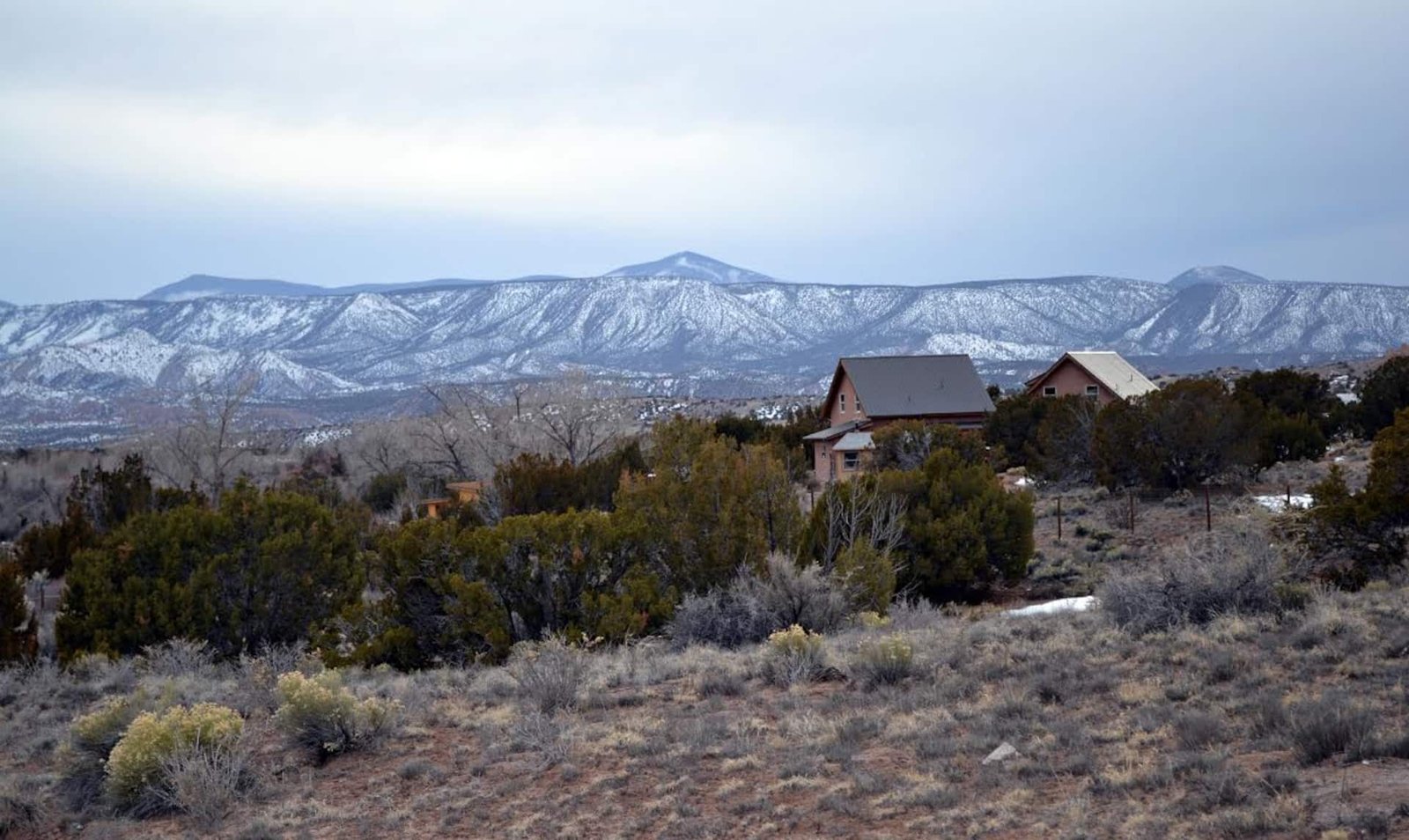
Ohkay Owingeh is a federally recognized Pueblo tribe in Rio Arriba County. It sits at 5,663 feet, borders Espanola and lies about 25 miles north of Santa Fe. The pueblo, long known as San Juan Pueblo, returned to the name Ohkay Owingeh in November 2005, and we use the name with the respect it deserves in conversation, on drawings and in every document.
The tribe owns the Ohkay Casino and the Oke-Oweenge Crafts Cooperative. Those two enterprises, one in hospitality and gaming and the other in craft production and retail, suggest the range of buildings a tribal government may need: public-facing, finish-sensitive and tied to the community's economy. We bring experience with both kinds of space, and we build with the understanding that the owner is a government as well as a business.
Following the owner's process
Our first task is to learn how the tribe makes decisions about construction: who sets the program, who approves design, who procures, who inspects and how contracts and payments are handled. We adapt to those procedures rather than asking the owner to adapt to ours, and we keep the people involved informed at every stage. We also ask early about any review the tribe's own offices or advisors require for design, so that those steps sit on the schedule beside the permits.
Tribal governments often have employment and contracting preferences for work on their land. Where the owner has them, we ask for the details at the start and build them into our plan, our subcontractor selection and our reporting, so that nothing is discovered late.
Next door to Espanola
Ohkay Owingeh borders Espanola, so suppliers, trades and services are close and the road network is shared. That proximity helps with deliveries and labor and makes it possible to keep the site well supplied during busy phases, without the long hauls that affect more remote villages. Because the pueblo and Espanola border each other, the construction route to a site may pass through both, and we plan truck movements with the residents of each in mind.
Owners often weigh a project at Ohkay Owingeh against opportunities in Espanola and Nambe, and we can explain how costs, reviews and schedules differ among them. The decisions belong to the owner; our job is to supply accurate information.
Hospitality, retail and public programs
Tribal enterprises combine several industries at once. Hospitality groups have guest-room, dining and entertainment needs; retail operators need storefront, display and stockroom space; and public sector owners need civic buildings, offices and community facilities.
We adapt our process to each: documentation and security for gaming areas, short schedules and flexible finishes for retail, and procurement discipline for public buildings. A single contractor who understands all three can reduce the number of firms the owner must manage. Retail and craft owners often want a building that can be reconfigured as the business changes, so we favor flexible partitions and accessible utility runs.
Buildings and renovations
Typical scopes include renovation and expansion of existing commercial buildings, new retail and craft spaces, offices and administration buildings, community centers and the infrastructure that supports them. Each project begins with a short written program stating the use, the hours, the number of visitors and staff and the equipment, so that design and pricing rest on the same facts. Our tenant improvement practice handles interior build-outs, and our municipal and government construction practice covers civic buildings.
Craft production and retail spaces need good light, durable display surfaces, secure storage and a workshop environment for makers. We detail those with the owner's staff and artists in the room, because they know what they need better than a drawing does.
Services that fit these projects
Many tribal projects begin with a feasibility step: program, site, budget and schedule. Our preconstruction estimating and design and build delivery help the owner compare options before committing capital, and the estimate is organized so that it can be shared with a council or board.
Where an existing building is to be reused, our renovation and adaptive reuse work provides a survey and a plan for structure, systems and finish, and a phased schedule that keeps the business operating. Photographs and measured drawings from the survey become part of the owner's record of the building.
Safe work in busy places
Hospitality and retail sites are busy. We separate public areas from construction with sturdy barriers, control dust and noise, and provide clear signage and detours. Emergency access for fire and medical responders is kept clear at all times, and we share contact numbers with the owner's security office before work starts. Deliveries and noisy work are scheduled for off-peak hours when the owner prefers.
Security matters as well. Gaming and cash-handling areas may require background checks, badges or escorts for the project trade crews, and we comply with the owner's rules. Tools, materials and keys are controlled to the owner's standards, and we brief every new worker before entering.
Talk with us about an Ohkay Owingeh project
Tell us about the program, the decision process and the date by which you need the building. We will respond with a preconstruction outline organized for your leadership to review.
Questions Owners Ask
How do you work with a tribal government as the owner?
We learn the owner's decision-making process and follow it: who approves design, who procures, how contracts and payments are handled and how progress is reported. We provide clear documentation at each step. Nothing is assumed from experience elsewhere.
Can you build inside an operating casino or retail space?
Yes, with careful phasing, barriers, dust control and security procedures. We agree on work hours, delivery windows and access with the owner's operations and security staff, and we keep public areas clean and clear. Larger scopes are divided so that part of the facility remains open.
What should a craft production and retail building include?
Good natural and artificial light, display surfaces that suit the work, secure storage, a workshop with suitable power and ventilation and accessible public routes. We detail these with the people who use the space. Their knowledge shapes the plan.
How does being next to Espanola help a project?
Suppliers, trades and services are close, and deliveries are shorter. That helps schedule and cost. It also makes site visits easier for the owner and design team.
What happens at closeout?
We deliver as-built drawings, warranties, equipment manuals and training for the owner's maintenance staff. We walk each system with them and record the walk. Punch-list items are tracked until the owner accepts them.
What does preconstruction give a council or board?
A defined program, a budget range, a schedule and a list of risks and decisions. It lets the governing body compare options before committing capital. We organize the information so that it can be shared and reviewed.